
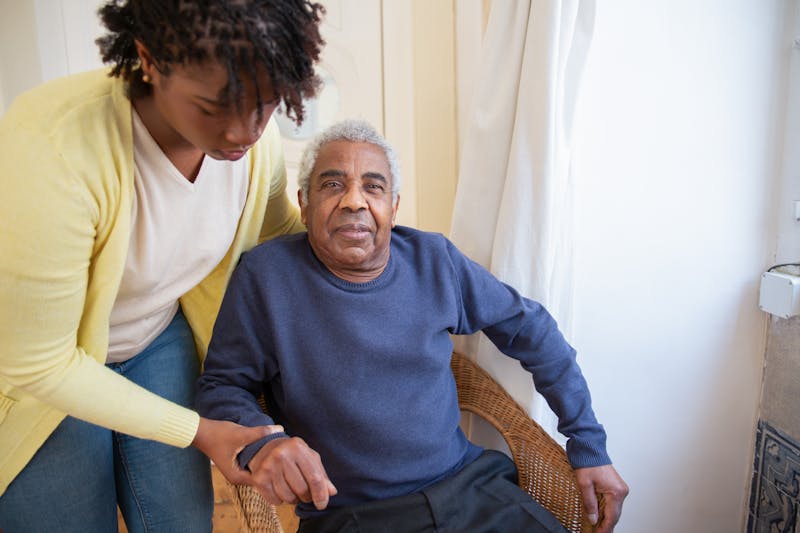
Assisted living facilities across Massachusetts are home to some of our most vulnerable residents. With aging immune systems, chronic health conditions, and shared living environments, seniors in assisted living face a significantly elevated risk of healthcare-associated infections (HAIs). A rigorous, professionally managed infection prevention program is not just a regulatory requirement -- it is a moral obligation to the people who have entrusted their care to these communities.
At Dory's Cleaning Services, we have spent 22 years developing cleaning and sanitation protocols specifically designed for senior care environments. In this guide, we explore why infection prevention matters so deeply in assisted living settings, the most common threats your facility faces, and the evidence-based environmental cleaning strategies that can dramatically reduce infection rates while keeping residents comfortable and safe.
Why Assisted Living Residents Are Uniquely Vulnerable
Understanding the elevated risk profile of assisted living residents is the first step toward building an effective infection prevention program. Unlike hospitals, where patients are typically in acute care for short stays, assisted living facilities are home environments where residents live for months or years. This creates a unique set of challenges.
The aging immune system undergoes a process known as immunosenescence, which gradually diminishes the body's ability to fight off pathogens. Residents over the age of 65 produce fewer T-cells and have a weakened antibody response, meaning infections that a younger person might easily overcome can become life-threatening in senior populations. When you combine this natural immune decline with the prevalence of chronic conditions such as diabetes, heart disease, and COPD, the risk escalates further.
Many assisted living residents also take immunosuppressive medications for conditions like rheumatoid arthritis or organ transplant maintenance. These medications, while medically necessary, create additional vulnerability to environmental pathogens. A surface that might pose minimal risk in a commercial office setting can become a serious infection vector in an assisted living community.
The communal nature of assisted living compounds these individual vulnerabilities. Residents share dining rooms, activity spaces, common bathrooms, and recreational areas. They interact closely with staff members who move between multiple rooms throughout the day. A single contaminated surface in a shared space can expose dozens of residents within hours if proper environmental cleaning protocols are not in place.
Common Healthcare-Associated Infections in Senior Care
Several categories of infection pose the greatest threat to assisted living residents. Understanding these threats informs the environmental cleaning strategies that can most effectively combat them.
Respiratory Infections
Influenza, respiratory syncytial virus (RSV), and COVID-19 variants remain persistent threats in congregate living settings. These respiratory pathogens can survive on hard surfaces for hours to days, making thorough environmental cleaning an essential layer of defense beyond vaccination programs. During Massachusetts winters, when facilities are sealed against the cold and ventilation is reduced, respiratory infection risk climbs even higher.
Gastrointestinal Infections
Norovirus and Clostridioides difficile (C. diff) are among the most disruptive infections in assisted living facilities. Norovirus is extraordinarily contagious and can spread through contaminated surfaces with remarkable efficiency. C. diff produces spores that are resistant to many standard cleaning agents, requiring specific EPA-registered sporicidal disinfectants and meticulous cleaning techniques. Shared dining areas and bathrooms are primary transmission points for both pathogens.
Urinary Tract Infections
UTIs are the most commonly reported infection in assisted living facilities. While personal hygiene plays a significant role, environmental factors also contribute. Contaminated bathroom surfaces, improperly cleaned toileting aids, and inadequate hand hygiene practices among staff all increase UTI risk. Environmental environmental cleaning protocols must pay particular attention to bathroom fixtures, grab bars, toilet seats, and any surfaces residents touch during toileting.
Skin and Soft Tissue Infections
MRSA (methicillin-resistant Staphylococcus aureus) and other antibiotic-resistant organisms can colonize surfaces in shared living environments. Residents with skin wounds, surgical sites, or pressure ulcers are particularly susceptible. Bed linens, chair surfaces, and any shared equipment must be cleaned with appropriate antimicrobial agents to prevent transmission.
Environmental Cleaning Protocols for Assisted Living
Effective infection prevention in assisted living requires a structured, multi-layered approach to environmental cleaning. At Dory's Cleaning Services, we implement protocols that address every surface category, from high-touch points that need multiple daily cleanings to less frequently contacted areas that require scheduled deep sanitation.
High-Touch Surface Disinfection
High-touch surfaces are the most critical vectors for pathogen transmission. In an assisted living setting, these include door handles, light switches, elevator buttons, handrails, grab bars, dining tables, television remotes, shared telephone handsets, and nurse call buttons. Our protocols call for disinfection of all high-touch surfaces at minimum twice daily using EPA-registered hospital-grade disinfectants.
The choice of disinfectant matters enormously. We use products from the EPA's List N (disinfectants effective against SARS-CoV-2) and List K (products effective against C. diff spores) as appropriate. All disinfectants must be applied with proper contact time -- the period the surface must remain visibly wet for the product to achieve its stated kill claims. Rushing this step renders the entire cleaning process ineffective.
Resident Room Cleaning
Each resident's room represents a private living space that must be cleaned with both clinical rigor and personal respect. Our teams follow a systematic top-to-bottom, clean-to-dirty approach. We begin with less contaminated surfaces like shelving and furniture tops, proceed to bathroom fixtures and toilets, and finish with floors. Fresh microfiber cloths are used for each room to prevent cross-contamination, and all cloths are laundered at temperatures sufficient to kill pathogens after each use.
Shared Space Sanitation
Common areas in assisted living facilities require special attention because they serve as gathering points for large numbers of residents. Dining rooms should be cleaned and disinfected before and after every meal service, with particular attention to table surfaces, chair arms and backs, condiment containers, and serving areas. Activity rooms, libraries, and lounges need cleaning after each organized activity, with all shared items such as game pieces, craft supplies, and exercise equipment disinfected between uses.
Laundry Handling and Textile Management
Contaminated linens and textiles are a frequently overlooked infection transmission pathway in assisted living facilities. Soiled bed linens, towels, and clothing can harbor dangerous pathogens including MRSA, C. diff spores, and norovirus particles. Proper handling protocols are essential.
All soiled linens should be handled with appropriate personal protective equipment (PPE) and placed directly into designated laundry bags at the point of collection. Linens should never be sorted, shaken, or carried against the body in a way that could aerosolize pathogens. Laundry should be washed at temperatures of at least 160 degrees Fahrenheit (71 degrees Celsius) with appropriate detergent and bleach when fabric composition allows. For items that cannot tolerate high-temperature washing, EPA-registered laundry sanitizers should be used.
Clean linens must be stored in a designated area separate from soiled laundry processing, and transport carts for clean and soiled linens should never be shared or interchanged. At Dory's Cleaning Services, we audit our partner facilities' laundry protocols as part of our comprehensive environmental services assessment.
Outbreak Response Protocols
Despite the best preventive measures, outbreaks can and do occur in assisted living facilities. Having a rapid, well-rehearsed response protocol can mean the difference between a contained incident and a facility-wide crisis.
When an outbreak is identified or suspected, environmental cleaning frequency must immediately escalate. High-touch surface disinfection should increase to every two hours during active outbreaks. The affected resident's room requires terminal cleaning -- a comprehensive, systematic disinfection of every surface using enhanced protocols. If the outbreak involves C. diff, all cleaning products must be switched to EPA-registered sporicidal agents, as standard quaternary ammonium disinfectants are ineffective against C. diff spores.
Common areas used by affected residents should be closed for thorough disinfection before reopening. All shared equipment such as blood pressure cuffs, wheelchairs, and dining utensils must be individually disinfected. Environmental environmental cleaning staff should don full PPE including gowns, gloves, and masks, and should work from clean areas toward contaminated areas to prevent pathogen spread.
Dory's Cleaning Services maintains outbreak response teams that can deploy to Massachusetts assisted living facilities within hours of notification. Our teams are trained in enhanced environmental cleaning protocols for norovirus, C. diff, influenza, and other common outbreak pathogens.
Request a Free Facility Assessment
Dory's Cleaning Services provides comprehensive infection prevention assessments for assisted living facilities throughout Massachusetts.
Call (978) 307-8107Staff PPE and Safety Practices
Environmental services staff are on the front lines of infection prevention. Proper personal protective equipment (PPE) use is non-negotiable for protecting both staff members and residents. At minimum, environmental cleaning staff should wear disposable gloves for all cleaning tasks, changing gloves between rooms and whenever gloves become torn or visibly soiled. Gowns or aprons should be worn when cleaning isolation rooms or during outbreak response activities.
Eye protection and masks are required when using products that produce fumes or when there is a risk of splash exposure. During active outbreaks of respiratory infections, N95 respirators may be required depending on the pathogen involved and current public health guidance.
Hand hygiene remains the single most important infection prevention measure. Environmental services staff must wash hands or use alcohol-based hand sanitizer before entering and after leaving each resident's room, after removing gloves, and before and after breaks. Dory's Cleaning Services provides ongoing hand hygiene training and compliance monitoring for all team members.
Resident-Friendly Cleaning Products
Senior care environments demand a careful balance between antimicrobial efficacy and resident safety and comfort. Many industrial-strength disinfectants produce harsh fumes that can trigger respiratory distress in elderly residents, particularly those with COPD, asthma, or other pulmonary conditions. Some residents may have heightened chemical sensitivities or allergies that standard commercial cleaning products can aggravate.
Dory's Cleaning Services selects cleaning products that meet EPA registration requirements for environmental-grade disinfection while maintaining the lowest possible toxicity profiles. We prioritize hydrogen peroxide-based disinfectants and other formulations that break down into benign byproducts after achieving their antimicrobial action. When stronger disinfectants are required -- during C. diff outbreaks, for example -- we schedule their application during periods when residents are not present in the affected areas, and we ensure thorough ventilation before residents return.
Fragrance is another important consideration. While a "clean scent" might be desirable in a commercial setting, artificial fragrances can cause headaches, nausea, and respiratory irritation in sensitive elderly populations. We use fragrance-free or low-fragrance products wherever possible, and we never use aerosol sprays in resident-occupied areas.
Dementia-Safe Cleaning Approaches
A significant percentage of assisted living residents live with Alzheimer's disease or other forms of dementia. Cleaning protocols must be adapted to address the unique needs and behaviors of this population. Residents with dementia may become confused, agitated, or frightened by the presence of unfamiliar people performing cleaning activities in their personal spaces. They may attempt to handle cleaning products or equipment, creating safety hazards.
Our staff members receive specialized training in dementia-aware environmental services. Key principles include introducing yourself calmly to each resident before beginning cleaning, explaining in simple terms what you are doing, and maintaining a calm, unhurried demeanor. All cleaning products and equipment must be secured at all times and never left unattended in a resident's room. Carts should be positioned to prevent resident access to chemical containers.
Visual cues matter for residents with cognitive impairment. Wet floor signs should use clear pictorial warnings rather than relying solely on text. Cleaning schedules should be coordinated with care staff to avoid times when residents with dementia are most likely to experience sundowning or agitation, typically late afternoon and evening hours.
Color-coded cleaning cloths and mop heads serve a dual purpose in dementia care environments: they prevent cross-contamination between areas (a primary infection control function) and they provide visual predictability that can reduce anxiety in residents who are comforted by routine and consistency.
Building a Culture of Infection Prevention
Environmental cleaning is one critical component of infection prevention, but it cannot succeed in isolation. Effective infection control requires a facility-wide culture where every staff member -- from administrators to dietary aides to environmental services technicians -- understands their role in keeping residents safe.
Dory's Cleaning Services partners with our client facilities to provide education and training that extends beyond our own team. We offer in-service presentations for facility staff on topics such as hand hygiene best practices, recognizing signs of environmental contamination, and understanding how pathogens spread through shared spaces. We believe that when everyone in the building understands the science behind infection prevention, compliance with protocols improves dramatically.
Regular communication between environmental services teams and clinical staff is essential. Our team leaders participate in facility infection control committee meetings, share environmental audit findings, and collaborate on response plans when surveillance data indicates emerging risks. This integrated approach ensures that environmental cleaning is not treated as an afterthought but as a core component of the facility's clinical mission.
Measuring Success: Environmental Monitoring
An infection prevention program is only as good as its outcomes. Dory's Cleaning Services uses ATP (adenosine triphosphate) bioluminescence monitoring to objectively verify cleaning effectiveness. ATP testing measures the biological residue remaining on a surface after cleaning -- providing an immediate, quantitative assessment that goes beyond visual inspection.
We establish baseline measurements for each facility, set target thresholds based on CDC guidelines for clinical environments, and conduct random verification testing on an ongoing basis. Results are documented, trended over time, and shared with facility management. When a surface fails to meet established thresholds, immediate re-cleaning and investigation of root causes are initiated.
This data-driven approach removes subjectivity from quality assurance and provides facility administrators with documented evidence of cleaning effectiveness for regulatory surveys and family inquiries. In an industry where trust is paramount, objective verification builds confidence among residents, families, and regulatory bodies alike.
Where this applies
We put this guide into practice in these services across 109 Massachusetts cities and towns: