
Medical Office Cleaning in Massachusetts
Clinical-grade environmental services for healthcare facilities in all 109 Massachusetts cities and towns. Founded by a 22-year clinical veteran. $2M insured.
Medical Office Cleaning for Massachusetts facilities
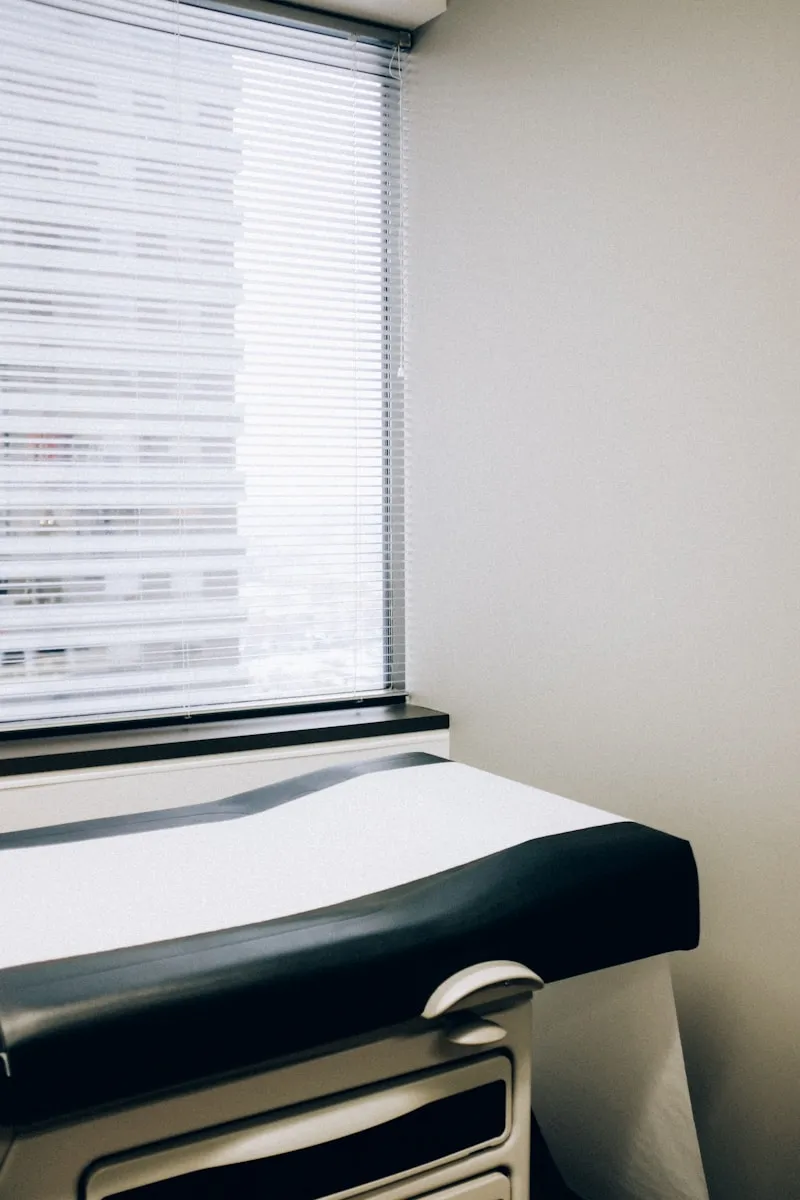
Dory's Cleaning Services provides medical office cleaning across Massachusetts. What we protect against: patient-to-patient transfer via high-touch surfaces between visits. The zone that matters most: exam tables, blood pressure cuffs, door hardware, waiting-room touch points.
- Physician Practices
- Urgent Care
- OB/GYN
- Pediatrics
- Primary Care
Survey findings we help facilities prevent
Real, published regulatory findings — every citation links to its source.
29 CFR 1910.1030(d)(4)(i)
No written schedule for cleaning and method of decontamination based on location, surface type, soil type and the procedures performed. This is an explicit OSHA requirement, not a recommendation.
29 CFR 1910.1030(d)(4)(ii)(A)
Contaminated work surfaces not decontaminated after procedures, immediately after a spill, and at the end of a shift where the surface may have become contaminated.
29 CFR 1910.1030(d)(4)(ii)(B)
Protective coverings on equipment and surfaces not removed and replaced when contaminated or at the end of the shift.
29 CFR 1910.1030(d)(4)(ii)(C)
Reusable bins, pails and cans likely to become contaminated are not inspected and decontaminated on a schedule, and not cleaned immediately when visibly contaminated.
29 CFR 1910.1030(d)(4)(ii)(D)
Broken contaminated glassware picked up by hand instead of by mechanical means such as a brush and dustpan, tongs or forceps.
CDC Infection Prevention Checklist for Outpatient Settings, Section II item A; CDC Core Practices 5b
Environmental surfaces in exam rooms, especially those near the patient and frequently touched, not cleaned and then disinfected with an EPA-registered disinfectant.
CDC Infection Prevention Checklist for Outpatient Settings, Section I item C
Staff cleaning the practice have not been trained on, or issued, the PPE needed to avoid exposure to infectious agents and to the disinfectant chemicals themselves.
CDC Infection Prevention Checklist, Section II items I and J; OSHA 29 CFR 1910.1030(d)(4)(iii)
Filled sharps containers not disposed of under state regulated medical waste rules, and regulated waste containers not closable, leak-proof and labelled or colour-coded.
The standards that govern this work
- OSHA Bloodborne Pathogens Standard — 29 CFR 1910.1030
- CDC Guidelines for Environmental Infection Control in Health-Care Facilities
- EPA List N registered disinfectants
- 105 CMR 140 — Massachusetts DPH, Licensure of Clinics
Medical Office Cleaning: the complete protocol
Everything below applies to every medical office we clean; each town page shows the part most relevant to that visit.
High-touch surfaces
- Exam table surface and paper-roll holder
- Blood pressure cuffs and wall-mounted diagnostic sets
- Rolling stools and exam-room chairs
- Computer keyboards, mice and wall-mounted screens
- Door handles and push plates
- Light switches
- Sink faucet handles and soap dispensers
- Check-in counter and sign-in tablet
- Pens, clipboards and payment terminals
- Waiting-room chair arms
- Restroom flush handles, grab bars and door locks
- Scale platform and height rod
How a visit runs
- Agree the room-by-room scope and who disinfects patient-contact surfaces between visits.
- Start each visit in the cleanest areas (offices, consult rooms) and finish in restrooms and soiled utility.
- Clean visibly soiled surfaces before disinfecting; the label claim assumes a pre-cleaned surface.
- Apply an EPA-registered hospital disinfectant and keep each surface wet for its full label contact time.
- Change cloths between rooms using a color-coded system so restroom cloths never reach exam rooms.
- Empty trash and recycling; leave sharps containers and regulated medical waste to your licensed hauler.
- Damp-mop hard floors and vacuum carpeted waiting areas with HEPA-filtered equipment.
- Record rooms completed, products used and any issues in the service log.
Frequency guide
- Exam rooms: patient-contact surfaces between patients (usually clinical staff); full clean daily.
- Waiting room and check-in: high-touch points several times a day in busy clinics, full clean daily.
- Restrooms: at least daily, more often in high-volume practices.
- Floors: daily damp-mop of hard floors; carpet vacuumed daily and extracted on a periodic schedule.
- Walls, vents and light fixtures: on a periodic schedule or when visibly soiled.
Most medical offices are cleaned after the last patient leaves, so exam rooms are ready for the first morning appointment.
Practices with early clinics often prefer an evening clean plus a short midday restroom and waiting-room refresh.
Documentation you receive
- Room-by-room cleaning schedule with frequencies
- Product list with EPA registration numbers and contact times
- Safety Data Sheets for every product on site
- Signed service logs for each visit
- Certificate of insurance naming the practice
- ATP or fluorescent-marker results when verification is performed
Questions to ask any cleaning vendor
- Who on your team will actually clean our office, and what training records can you show for them?
- Which disinfectants will you use, and what are their contact times?
- How do you keep restroom cloths out of exam rooms?
- What do you leave for our clinical staff, and what do you own?
- What will our logs look like if a surveyor asks?
- How do you handle a blood spill found during your visit?
- Can you verify cleaning with ATP or fluorescent markers?
- Who do we call if something is missed?
Medical Office Cleaning — common questions
Yes. 29 CFR 1910.1030(d)(4)(i) requires a written schedule for cleaning and a method of decontamination determined by the location within the facility, the type of surface, the type of soil present, and the procedures performed in that area. We build that document with you room by room, and it names the product, the dilution, the contact time, and the frequency for each surface class. It is written so a compliance officer can read it and match it against what our crews actually do. You own the document, and it lives with your exposure control plan.
More likely than most practice managers assume. Between October 2024 and September 2025, federal OSHA cited 29 CFR 1910.1030 thirty-three times across twelve inspections of physicians' offices, out of 55 citations issued to the sector in that period. That makes the Bloodborne Pathogens Standard the most-cited standard for physician practices, and the housekeeping paragraphs at (d)(4) are a routine part of it. Inspections in this sector are usually complaint or referral driven, so the trigger is often an employee rather than a scheduled visit.
Your clinical staff. Between-patient turnover happens in minutes while a room is in active use, and it belongs to the person who was in the room. Our scope is scheduled cleaning and disinfection: terminal cleaning of exam rooms at the end of the session, restrooms, waiting areas, hallways, break rooms, floors, and the high-touch surfaces addressed in Section II item A of the CDC Infection Prevention Checklist for Outpatient Settings. We write the split into the schedule required by 29 CFR 1910.1030(d)(4)(i), so nothing sits in a gap between the two teams.
EPA-registered products, drawn from EPA List N where an emerging viral pathogen claim is needed, and matched to the surface and the soil load. The controlling document is the manufacturer's label: dilution, contact time, shelf life, and storage. Most failures we correct are contact time failures, where the surface is dry well before the label kill time. Our crews clean first, then disinfect, and keep the surface visibly wet for the labeled dwell. Product labels and SDS sheets stay on site in your binder so you can check them without calling us.
Spills of blood or other potentially infectious material must be decontaminated immediately, not held for the next scheduled visit. 29 CFR 1910.1030(d)(4)(ii)(A) requires decontamination after completion of procedures, immediately after a spill, and at the end of the shift where a surface may have become contaminated. If our crew finds a spill during an evening visit, they treat it as regulated cleanup with the appropriate PPE and disinfectant, and it is logged. If it happens during clinic hours, your staff handle it, because immediately means immediately.
Never by hand. 29 CFR 1910.1030(d)(4)(ii)(D) requires that broken glassware which may be contaminated be picked up using mechanical means such as a brush and dustpan, tongs, or forceps. Our crews carry those tools and are trained not to reach into a container or onto a floor to retrieve glass. Fragments go into a puncture-resistant container that you designate, and the surrounding surface is cleaned and then disinfected. If there is any question of residual sharps risk, we stop and flag it for your staff rather than improvise a method.
Both. 29 CFR 1910.1030(d)(4)(ii)(C) requires that bins, pails, cans, and similar receptacles likely to become contaminated be inspected and decontaminated on a regularly scheduled basis, and cleaned and decontaminated immediately or as soon as feasible when visibly contaminated. Liner changes alone do not satisfy that paragraph. We put receptacle decontamination on a named interval in your written schedule, inspect at every visit, and pull anything visibly soiled out of rotation for cleaning that night rather than waiting for the scheduled cycle.
We do not transport, seal, or dispose of regulated medical waste, and we do not replace sharps containers. That is your staff's responsibility, and disposal runs through your licensed medical waste vendor under Massachusetts rules. What we do is keep the area around the containers clean, report containers approaching the fill line, and flag containment problems: a container that is not closable, not leak-proof, or missing the biohazard label or color coding required by 29 CFR 1910.1030(d)(4)(iii). Scope clarity here protects you more than a broader service description would.
Healthcare-specific training, before they enter a clinical space. Section I item C of the CDC Infection Prevention Checklist for Outpatient Settings expects that personnel who clean are trained on and provided the PPE needed to avoid exposure both to infectious agents and to the disinfectant chemicals themselves. Our crews are trained on bloodborne pathogens, clean-to-dirty work direction, color-coded microfiber to prevent transfer between rooms, and the label requirements of the specific products in your building. Jeneva Thomas, who founded the company, brings 22 years of clinical experience to that training.
A binder and a digital copy containing the written cleaning and decontamination schedule required by 29 CFR 1910.1030(d)(4)(i), the product list with EPA registration numbers, current SDS sheets, label contact times, crew training records, and dated service logs showing what was cleaned and when. Surveyors rarely dispute that cleaning happens; they ask you to prove the method and the frequency were defined and then followed. Dory's carries $2 million in general liability, and we will issue a certificate naming your practice on request.
Medical Office Cleaning across Massachusetts
Choose your city for local medical office cleaning details.
Free medical office cleaning assessment
22+ years clinical experience. $2M insured. No obligation.