
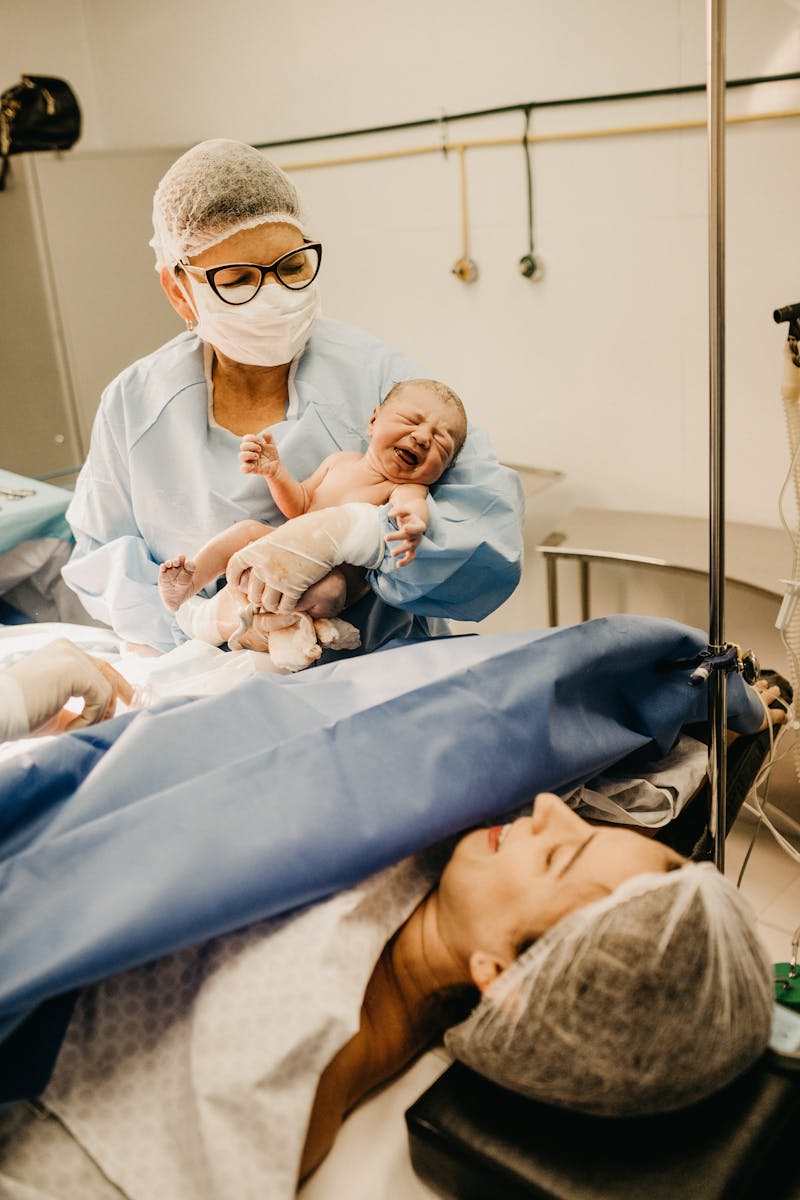
For clinics and outpatient facilities in Massachusetts, healthcare compliance is governed by an overlapping framework of federal, state, and accreditation-body requirements. At the center of this framework sit the CDC's environmental infection control guidelines -- the authoritative standard that defines how medical practices must clean, disinfect, and maintain their physical environments to prevent the transmission of infectious agents. This comprehensive guide dissects the regulatory landscape, explains the specific standards that apply to outpatient settings, and provides a practical roadmap for achieving and maintaining compliance.
The Regulatory Framework: Who Sets the Rules?
Understanding compliance starts with understanding which authorities have jurisdiction over your facility's healthcare practices. For Massachusetts clinics and outpatient facilities, the regulatory framework includes multiple layers of oversight.
Federal: Centers for Disease Control and Prevention (CDC)
The CDC publishes evidence-based guidelines for environmental infection control in healthcare facilities. While CDC guidelines are technically recommendations rather than enforceable regulations, they carry enormous weight. State regulators, accrediting bodies, and courts all treat CDC guidelines as the de facto standard of care. A facility that deviates from CDC recommendations without documented, evidence-based justification assumes significant liability risk.
The primary CDC document governing environmental services is the "Guidelines for Environmental Infection Control in Health-Care Facilities" (2003, updated 2019). This comprehensive document covers surface cleaning and disinfection, laundry and bedding, air quality, water quality, and regulated medical waste management. For outpatient settings, the CDC also publishes the "Guide to Infection Prevention for Outpatient Settings: Minimum Expectations for Safe Care," which distills hospital-level standards into requirements appropriate for ambulatory care environments.
Federal: Occupational Safety and Health Administration (OSHA)
OSHA's regulations directly affect environmental services operations through two primary standards:
- Bloodborne Pathogens Standard (29 CFR 1910.1030): This standard applies to all employees who have reasonably anticipated occupational exposure to blood or other potentially infectious materials (OPIM). Environmental services staff in healthcare facilities are covered by this standard. It requires employers to develop an Exposure Control Plan, provide hepatitis B vaccination, ensure proper use of PPE, implement engineering and work practice controls, and maintain specific records. Violations can result in OSHA citations with penalties up to $16,131 per violation (2026 adjusted amount) for serious violations and up to $161,323 for willful or repeated violations.
- Hazard Communication Standard (29 CFR 1910.1200): This standard requires that all employees who handle hazardous chemicals -- including cleaning and disinfection products -- receive training on chemical hazards, understand Safety Data Sheets (SDS), and have access to SDS for every product they use. This applies to every chemical in your environmental services program, from floor cleaners to hospital-grade disinfectants.
State: Massachusetts Department of Public Health (DPH)
The Massachusetts DPH licenses and regulates clinical facilities through a series of regulations codified in the Code of Massachusetts Regulations (CMR). Key regulations affecting healthcare include:
- 105 CMR 130: Hospital licensure regulations that include environmental standards applicable to hospital-based outpatient clinics.
- 105 CMR 140: Licensure of clinics, which establishes environmental maintenance standards for freestanding clinic operations.
- 105 CMR 480: Storage, treatment, transportation, and disposal of infectious and biological waste. This regulation governs how your facility handles regulated medical waste, sharps, and pathological waste.
Accreditation Bodies
Depending on your facility type and payer requirements, you may also need to comply with environmental standards established by accreditation organizations:
- The Joint Commission (TJC): The Environment of Care (EC) standards address facility maintenance, safety, and infection prevention. TJC surveys include detailed evaluation of environmental cleaning practices.
- Accreditation Association for Ambulatory Health Care (AAAHC): The Facilities and Environment chapter establishes cleaning and maintenance standards for outpatient facilities seeking AAAHC accreditation.
- Det Norske Veritas (DNV GL): An alternative hospital accreditation body whose standards integrate ISO 9001 quality management principles with facility requirements.
CDC Environmental Infection Control Guidelines: The Core Standards
The CDC's environmental infection control guidelines establish several core principles that form the foundation of compliant healthcare programs in clinics and outpatient facilities.
Principle 1: Routine Cleaning and Disinfection of Environmental Surfaces
The CDC requires that all environmental surfaces in clinical settings be cleaned and disinfected on a regular schedule using EPA-registered products. The specific requirements vary based on the surface classification:
- Clinical contact surfaces (surfaces that may be touched by contaminated hands, gloves, or medical instruments during patient care): These must be cleaned and disinfected between each patient encounter. Examples include exam tables, procedure chairs, instrument trays, and work surfaces in treatment areas.
- Housekeeping surfaces (floors, walls, sinks in non-clinical areas): These require regular cleaning on a fixed schedule. The CDC notes that while floors are not a significant source of pathogen transmission under normal conditions, they should be cleaned with EPA-registered products on a regular basis and immediately when visibly soiled or contaminated.
Principle 2: Selection and Use of EPA-Registered Disinfectants
The CDC mandates that healthcare facilities use EPA-registered products for surface disinfection. Key requirements include:
- Products must be registered with the EPA and labeled for clinical use
- Products must have documented efficacy against the pathogens of concern for your facility
- Products must be used in accordance with the manufacturer's label instructions, including dilution ratios, application methods, and contact times
- The use of non-EPA-registered products or consumer-grade cleaners for surface disinfection in clinical settings is non-compliant
Principle 3: Proper Techniques and Work Practices
The CDC specifies cleaning and disinfection techniques designed to minimize cross-contamination:
- Clean to dirty: Always work from the cleanest areas to the most contaminated areas within a room
- Top to bottom: Clean high surfaces first and work downward so that debris falls to surfaces not yet cleaned
- Fresh solutions: Disinfectant solutions must be prepared fresh according to the manufacturer's instructions. Pre-mixed solutions have defined shelf lives that must be observed
- Microfiber systems: The CDC supports the use of microfiber cleaning cloths and mops, which have been shown to remove more microorganisms than traditional cotton materials
- Single-use or laundered materials: Cleaning cloths should be used once and then laundered, or single-use disposable materials should be employed. Reusing contaminated cloths across surfaces or rooms spreads pathogens
Principle 4: Special Pathogen Considerations
Certain pathogens require enhanced environmental cleaning protocols that exceed routine procedures:
- Clostridioides difficile (C. diff): C. diff spores are resistant to most standard disinfectants. The CDC recommends using EPA List K products (sporicidal agents, typically bleach-based) for environmental disinfection when C. diff transmission is a concern. For outpatient facilities that serve elderly or immunocompromised populations, C. diff-specific protocols should be part of the standard environmental services program.
- Multi-drug resistant organisms (MDROs): Facilities that treat patients known or suspected to be colonized or infected with MDROs (such as MRSA, VRE, or CRE) should implement enhanced environmental cleaning in areas where these patients receive care.
- Respiratory pathogens: During periods of elevated respiratory virus transmission (influenza season, COVID-19 surges, RSV outbreaks), the CDC recommends increased cleaning frequency for high-touch surfaces in common areas and enhanced ventilation practices.
- Candida auris: This emerging fungal pathogen requires specific EPA-registered products (List P) and enhanced environmental cleaning protocols due to its environmental persistence and resistance to many standard disinfectants.
OSHA Bloodborne Pathogens Standard: Environmental Services Requirements
The OSHA Bloodborne Pathogens Standard is one of the most frequently cited regulations in clinical environment inspections. For environmental services operations, compliance requires the following elements:
Exposure Control Plan
Every healthcare facility must maintain a written Exposure Control Plan that identifies job classifications with occupational exposure, describes the methods used to reduce exposure, and establishes procedures for post-exposure evaluation and follow-up. Environmental services staff must be included in this plan. The plan must be reviewed and updated at least annually, and must be accessible to all employees.
Engineering and Work Practice Controls
For environmental services operations, required controls include:
- Sharps containers: Environmental services staff must never manually handle loose sharps. Sharps containers must be provided in all areas where sharps are generated, and staff must be trained to report overfilled containers rather than attempting to compress or empty them.
- Blood spill procedures: Documented procedures for cleaning blood and OPIM spills must be established and followed. The procedure must include containment, absorption of the spill material, cleaning, disinfection with an EPA-registered product effective against bloodborne pathogens, and proper disposal of all contaminated materials in regulated waste containers.
- Hand hygiene: Handwashing facilities or alcohol-based hand sanitizer must be readily accessible to environmental services staff, and hand hygiene must be performed after glove removal and after any contact with potentially contaminated surfaces.
- Regulated waste handling: All waste contaminated with blood or OPIM must be placed in properly labeled, leak-proof containers. Red bags or containers marked with the biohazard symbol are required. Massachusetts regulations (105 CMR 480) impose additional state-specific requirements for waste segregation, packaging, labeling, and storage.
Personal Protective Equipment (PPE)
OSHA requires employers to provide appropriate PPE at no cost to employees and to ensure its proper use. For environmental services staff in clinical settings, minimum PPE requirements typically include:
- Gloves: Required for all cleaning and disinfection tasks. Gloves must be changed between rooms, between different cleaning tasks within the same room (such as moving from restroom cleaning to general surface cleaning), and whenever they are torn or visibly contaminated.
- Gowns or protective clothing: Required when there is a reasonable expectation of contact with blood or OPIM, such as during terminal cleaning of a procedure room or when cleaning a blood spill.
- Eye protection: Required when there is a risk of splash or splatter of blood, OPIM, or chemical disinfectants. This includes tasks such as cleaning surgical or procedure areas, handling concentrated disinfectant solutions, and cleaning toilets or other fixtures that may generate splashes.
- Respiratory protection: May be required when using certain disinfectant products (check the SDS) or when cleaning areas occupied by patients on airborne precautions.
Training Requirements
OSHA requires initial bloodborne pathogens training at the time of assignment and annual refresher training thereafter. Training must be provided by a knowledgeable trainer and must cover:
- An explanation of the OSHA Bloodborne Pathogens Standard and its provisions
- Epidemiology, symptoms, and modes of transmission of bloodborne diseases
- The facility's Exposure Control Plan and how to access it
- Methods for recognizing tasks that involve exposure risk
- Proper use and limitations of engineering controls, work practices, and PPE
- Proper selection, use, removal, handling, and disposal of PPE
- Hepatitis B vaccination information
- Post-exposure evaluation and follow-up procedures
- Signs, labels, and color coding used to identify biohazardous materials
Request a Free Facility Assessment
Dory's Cleaning Services conducts comprehensive compliance assessments for clinics and outpatient facilities throughout Massachusetts. We evaluate your healthcare program against CDC guidance and Massachusetts standards, identify gaps, and develop a corrective action plan to bring your facility into full compliance.
Schedule Your AssessmentDocumentation Requirements: Building an Audit-Ready Compliance Program
Documentation is the tangible evidence that your healthcare program meets regulatory standards. During inspections, accreditation surveys, and legal proceedings, your documentation is the primary source of evidence. A well-documented program withstands scrutiny; an undocumented program does not, regardless of how well the actual cleaning is performed.
Required Documentation Categories
1. Policy and Procedure Manual
Your environmental services policy and procedure manual should include:
- Written standard operating procedures (SOPs) for every cleaning and disinfection task, organized by area type (exam rooms, procedure rooms, common areas, restrooms, etc.)
- Product specifications for all cleaning and disinfection products, including EPA registration numbers, approved uses, dilution instructions, and contact times
- PPE requirements for each task category
- Waste segregation and handling procedures
- Blood and body fluid spill response procedures
- Quality assurance and inspection protocols
- Communication and escalation procedures
2. Daily Cleaning Logs
Every cleaning task should be documented in a daily log that captures:
- Date and time of each cleaning event
- Specific areas or rooms cleaned
- Name or identifier of the staff member who performed the cleaning
- Products used
- Any issues, deficiencies, or unusual conditions encountered
- Supervisor verification signature (for inspections)
3. Training Records
Maintain comprehensive training records that include:
- Initial orientation training documentation with date, topics, trainer, and attendee signature
- Annual bloodborne pathogens refresher training records
- Chemical safety (HAZCOM) training records
- Product-specific training documentation
- Competency assessments demonstrating that staff can perform required tasks correctly
- Records of any additional training (infection control updates, new product introductions, etc.)
4. Safety Data Sheet (SDS) Binder
A current, organized SDS binder must be maintained and accessible to all staff. OSHA requires that SDS be available for every hazardous chemical in the workplace. For environmental services, this means every cleaning product, disinfectant, floor care chemical, and specialty product must have a corresponding SDS on file.
5. Quality Assurance Records
Document all quality assurance activities, including:
- Scheduled inspection reports with findings
- Corrective action documentation for identified deficiencies
- Trending data showing compliance rates over time
- Patient or staff complaint logs and resolution documentation
6. Equipment Maintenance Records
Maintain records of all cleaning equipment maintenance, including:
- Equipment inventory with model numbers and acquisition dates
- Maintenance schedules and completion records
- Calibration records for any equipment that requires calibration (e.g., automated dilution systems)
- Replacement schedules for consumable components (vacuum filters, mop heads, etc.)
Audit Preparation: How to Be Ready When Inspectors Arrive
Whether it is a scheduled accreditation survey, an unannounced state inspection, or an OSHA visit triggered by a complaint, your facility must be prepared to demonstrate healthcare compliance at any time. Here is how to stay audit-ready:
Continuous Readiness Strategy
- Daily documentation: Ensure cleaning logs are completed in real time, not retrospectively. Backdated documentation is easily identified by auditors and undermines credibility.
- Monthly self-inspections: Conduct monthly internal audits using the same criteria that external surveyors will use. Document findings and corrective actions.
- Quarterly compliance reviews: Review all documentation categories quarterly to ensure completeness. Verify that training records are current, SDS binders are up to date, and all policies reflect current practices.
- Annual program review: Conduct a comprehensive annual review of your entire environmental services program, including policies, procedures, training curricula, product selections, and quality metrics. Update as needed based on regulatory changes, CDC guideline updates, or operational changes.
What Inspectors and Surveyors Look For
Understanding the surveyor's perspective helps you prepare effectively. During environmental services evaluations, inspectors typically:
- Observe staff technique: They will watch environmental services staff perform cleaning and disinfection tasks to verify that documented procedures are being followed in practice. This is the most critical element -- your procedures must match your practice.
- Review documentation: They will examine cleaning logs, training records, the Exposure Control Plan, SDS binders, and quality assurance records for completeness and currency.
- Interview staff: They will ask environmental services staff about their training, the products they use, proper PPE selection, and what they would do in specific scenarios (such as a blood spill). Staff who cannot articulate correct procedures indicate a training deficiency.
- Inspect the physical environment: They will look for visible deficiencies: dust accumulation, stained ceiling tiles, damaged flooring, improperly stored chemicals, overfilled sharps containers, mislabeled waste containers, and overall cleanliness.
- Check product storage: Chemical storage areas must be properly organized, with products stored according to SDS requirements. Unlabeled containers, expired products, and incompatible chemical storage are common findings.
Common Compliance Violations and How to Avoid Them
Based on published survey findings and our experience supporting Massachusetts healthcare facilities, these are the most frequently cited environmental services compliance violations:
1. Incomplete or Missing Cleaning Logs
The violation: Cleaning logs are not maintained, are incomplete, or show gaps in documentation.
How to avoid it: Implement a digital or paper logging system that requires completion at the time of service. Include supervisor verification for critical tasks. Review logs daily to identify and address gaps immediately.
2. Expired or Improperly Stored Disinfectants
The violation: Disinfectant products are past their expiration date, stored improperly, or diluted incorrectly.
How to avoid it: Implement a first-in-first-out (FIFO) inventory system. Check expiration dates monthly. Use automated dilution systems where possible. Train staff on proper storage requirements per SDS guidelines.
3. Inadequate Bloodborne Pathogens Training Documentation
The violation: Training records are missing, incomplete, or show that annual refresher training was not provided on schedule.
How to avoid it: Maintain a training calendar with scheduled dates for all required training. Use sign-in sheets that capture required information. Conduct training for new hires before they begin work in clinical areas. Set calendar reminders for annual refresher deadlines.
4. Improper Waste Segregation
The violation: Regulated medical waste is found in regular trash, or non-regulated waste is placed in red bags (resulting in unnecessary disposal costs).
How to avoid it: Provide clear, visual waste segregation guides posted at all waste collection points. Train all staff -- not just environmental services -- on proper waste segregation. Conduct regular waste stream audits to verify compliance.
5. Missing or Outdated Safety Data Sheets
The violation: SDS binder is not accessible, does not contain current SDS for all products in use, or contains SDS for products no longer used (creating confusion).
How to avoid it: Assign responsibility for SDS binder maintenance to a specific individual. Update the binder whenever products are added, removed, or reformulated. Conduct quarterly reviews to verify completeness.
6. Failure to Observe Disinfectant Contact Times
The violation: Staff spray disinfectant and immediately wipe surfaces, not allowing the required contact time for pathogen kill.
How to avoid it: Select products with practical contact times (1-3 minutes for high-turnover areas). Train staff specifically on contact time requirements. Use visual timers or procedural cues to ensure compliance. Consider products that achieve efficacy in shorter contact times.
7. PPE Violations
The violation: Staff are not wearing required PPE, wearing PPE incorrectly, or not changing PPE between tasks as required.
How to avoid it: Post PPE requirements at the entrance to each work area. Ensure adequate PPE supply is available at all times. Conduct regular PPE compliance observations and provide immediate corrective feedback.
Building a Sustainable Compliance Program
Compliance is not a one-time achievement -- it is an ongoing operational discipline. The most successful healthcare programs share these characteristics:
- Leadership commitment: Facility leadership visibly supports and invests in environmental services as a critical patient safety function, not a cost center to be minimized.
- Dedicated resources: Adequate staffing, proper equipment, quality products, and sufficient time are allocated for environmental services operations.
- Continuous training: Training is not a checkbox exercise performed once per year. It is an ongoing process that reinforces standards, addresses emerging challenges, and keeps staff engaged.
- Measurement and accountability: Compliance is measured through regular audits, and results are shared with staff and leadership. Deficiencies are addressed through coaching and corrective action, not punitive measures.
- Partnership with environmental services provider: For facilities that contract environmental services, the provider should function as a compliance partner who proactively identifies risks, recommends improvements, and supports audit preparation -- not simply a vendor who sends environmental cleaning staff.
CDC compliance for healthcare in clinics and outpatient facilities is achievable with the right knowledge, systems, and commitment. The standards exist to protect patients and staff, and facilities that embrace them as operating principles -- rather than viewing them as bureaucratic burdens -- consistently deliver safer, higher-quality care. Massachusetts healthcare facilities that invest in compliant environmental services programs protect their patients, their staff, their licenses, and their reputations.
Where this applies
We put this guide into practice in these services across 109 Massachusetts cities and towns: