
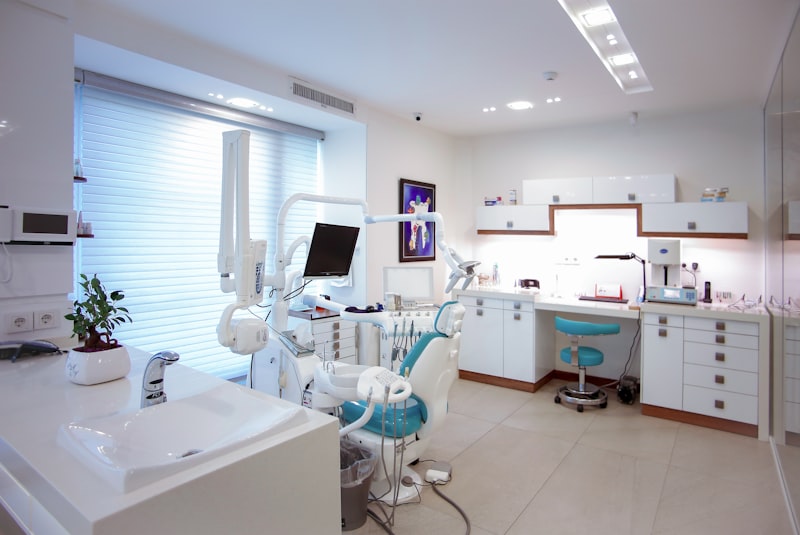
Dental practices invest heavily in instrument sterilization -- autoclaves, chemical vapor sterilizers, and biological monitoring systems are standard equipment in every operatory. But sterilization addresses only one piece of the infection prevention puzzle. The environmental surfaces surrounding the dental chair -- countertops, light handles, X-ray equipment, cabinetry, flooring, and waiting room furniture -- harbor pathogens that sterilization processes never touch. This guide examines the comprehensive environmental services that dental offices in Massachusetts require to maintain a truly safe clinical environment, from aerosol contamination management to OSHA-compliant waste handling.
The Unique Challenge of Dental Aerosol Contamination
Dental procedures generate aerosols at rates unmatched by most other outpatient clinical settings. High-speed handpieces, ultrasonic scalers, air-water syringes, and air polishing units produce clouds of fine particles that contain saliva, blood, tooth debris, dental materials, and microorganisms. These aerosols can travel distances of six feet or more from the patient's mouth and settle on virtually every surface in the operatory.
Research published in the Journal of the American Dental Association has demonstrated that aerosol-generating procedures produce contamination patterns that extend well beyond the immediate treatment zone. Surfaces frequently contaminated include the dental light and its handles, bracket tray and instrument cassettes, computer keyboards and monitors, countertops and cabinet faces, the dental chair headrest, armrests, and controls, chair-side assistant stations, and even walls and ceiling tiles directly above the patient.
The implications for environmental services are significant. Unlike a general medical office where surface contamination is primarily from hand contact, dental operatories experience widespread aerosol deposition that requires systematic decontamination protocols after every patient. Environmental services teams working in dental practices must understand the aerosol contamination pattern specific to each operatory layout and adjust their environmental cleaning protocols accordingly.
Aerosol Mitigation Strategies
While aerosol management is primarily a clinical responsibility -- involving high-volume evacuation, rubber dams, pre-procedural mouth rinses, and HEPA filtration systems -- environmental services contribute to the overall aerosol management strategy through specific post-procedure environmental cleaning protocols. After aerosol-generating procedures, allow a settling period of 15 to 30 minutes before beginning environmental cleaning, when the office schedule permits. This allows larger droplets to settle on surfaces where they can be effectively removed through cleaning and disinfection, rather than remaining suspended in the air where they may recontaminate recently cleaned surfaces.
Operatory Turnover Cleaning: A Step-by-Step Protocol
Operatory turnover -- the cleaning and preparation process between patients -- is the most critical environmental services function in a dental practice. Every surface that could have been contaminated during the procedure must be cleaned and disinfected before the next patient is seated. The following protocol represents best practice for dental operatory turnover.
Phase 1: PPE and Preparation
Before entering the operatory for turnover cleaning, the environmental services technician should don appropriate PPE: heavy-duty utility gloves (not examination gloves), protective eyewear, a fluid-resistant gown or apron, and a face mask. Gather all necessary supplies -- EPA-registered disinfectant, clean microfiber cloths, fresh barriers, and waste bags -- before beginning the cleaning process to minimize trips in and out of the contaminated space.
Phase 2: Waste Removal and Surface Cleaning
Begin by removing all visible waste and soiled barriers. Dispose of used patient bibs, headrest covers, bracket tray covers, and any single-use items in the appropriate waste stream -- general waste for non-contaminated items, regulated medical waste for items saturated or dripping with blood. Remove used sharps containers that are three-quarters full and replace them. Next, clean all surfaces with a detergent or cleaning solution to remove visible soil, blood, and debris. This cleaning step is essential because organic material interferes with the chemical action of disinfectants. Work from the least contaminated areas (overhead light, monitor) to the most contaminated (dental chair, suction unit, spittoon).
Phase 3: Disinfection
Apply EPA-registered, hospital-grade disinfectant to all clinical contact surfaces. This includes the dental chair (headrest, armrests, back, seat, and all adjustment controls), the overhead light handle and switch, the bracket tray and its mounting arm, countertops and cabinet handles, the air-water syringe and its holder, handpiece holders and couplings, suction hose connections, the computer keyboard, mouse, and monitor, radiography equipment handles, and the operator's and assistant's stools. Ensure the disinfectant remains on surfaces for the full contact time specified on the product label. Do not wipe surfaces dry prematurely.
Phase 4: Barrier Replacement
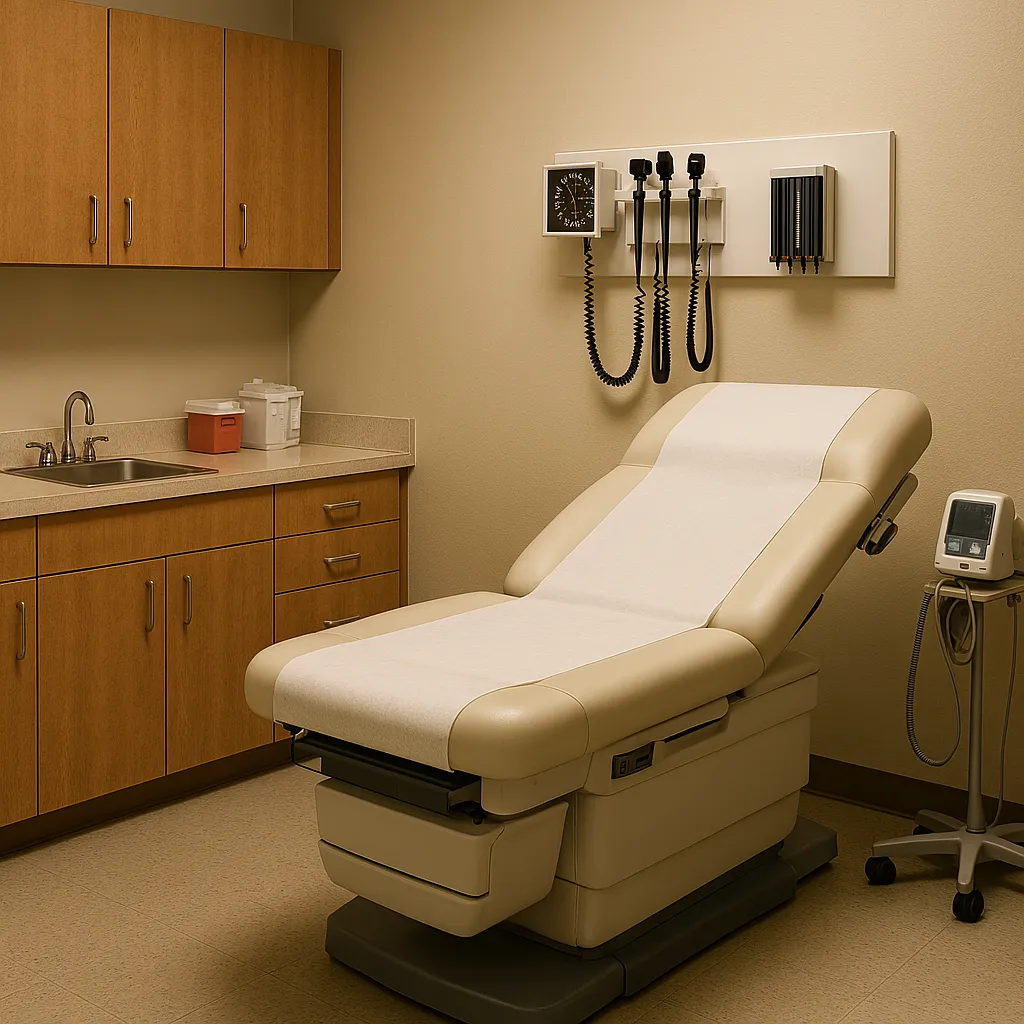
After disinfection is complete and surfaces have been allowed to air dry, apply fresh barriers to surfaces that will be touched during the next procedure. Common barrier locations include light handles, headrest, bracket tray handle, air-water syringe, suction controls, and radiography positioning devices. Barriers supplement -- but do not replace -- cleaning and disinfection. Even when barriers are used, underlying surfaces must be disinfected at the end of each day or whenever a barrier is found to be compromised.
Waiting Room and Common Area Sanitation
Dental office waiting rooms present their own environmental services challenges. Patients may arrive with active respiratory infections, children touch multiple surfaces, and shared items such as magazines, toys, and tablet devices create cross-contamination opportunities.
High-Touch Surface Protocols
Waiting room high-touch surfaces should be disinfected at minimum every two hours during business hours. Priority surfaces include reception counter and check-in areas, door handles (interior and exterior), chair armrests and seating surfaces, shared pens and clipboards, payment terminals, restroom fixtures, and water cooler or beverage station handles. Remove magazines, shared toys, and other communal items from waiting areas. If patient entertainment is desired, wall-mounted screens or individual-use items that can be disinfected between uses are preferable to shared reading materials.
Restroom Maintenance
Dental office restrooms should be cleaned and disinfected at minimum every two to four hours during operating hours, with documented cleaning logs posted visibly or maintained in the facility's records. Pay particular attention to faucet handles, soap dispenser pumps, toilet flush levers, stall locks, and door handles -- all of which may be touched immediately before or after clinical appointments.
X-Ray Room Protocols
Dental X-ray rooms require specialized environmental services attention due to the combination of patient contact surfaces and sensitive electronic equipment. The X-ray tube head, positioning device (cone/cylinder), exposure button, chin rest, and bite block holders all contact patients directly or are touched by operators with contaminated gloves.
Between each patient, all contact surfaces must be cleaned and disinfected or protected with barriers. The tube head arm and positioning indicator require particular attention because they are frequently adjusted during exposure and may be overlooked during routine turnover. Digital sensor holders must be disinfected or replaced according to manufacturer guidelines -- these devices contact the oral cavity and represent a semi-critical item in the Spaulding Classification system.
Lead aprons and thyroid collars present an additional challenge. These items contact patients but cannot be immersed in disinfectant or subjected to heat sterilization. They should be wiped with a low-level disinfectant after each patient use, inspected regularly for damage (cracks in the lead shielding), and stored hanging rather than folded to maintain their protective integrity.
Specialized Dental Office Environmental Services
Dory's Cleaning Services provides trained cleaning teams for dental practices throughout Massachusetts. Our technicians understand the unique contamination challenges of dental environments and follow protocols that meet CDC and ADA guidelines.
Schedule Your AssessmentAmalgam Waste Handling and Environmental Compliance
Dental amalgam contains mercury, a toxic heavy metal that requires special handling and disposal procedures. While amalgam placement and removal are clinical procedures, environmental services teams must understand proper handling of amalgam-containing waste they may encounter during cleaning.
Types of Amalgam Waste
Environmental services staff may encounter several forms of amalgam waste: contact amalgam (excess mixed amalgam and amalgam removed from teeth), non-contact amalgam (amalgam scraps that have not been in contact with patients), amalgam capsules (single-use mixing capsules with residual amalgam), and amalgam trap contents (particles captured in chair-side traps and vacuum system filters). All amalgam waste must be collected in designated, sealed containers and never placed in regular trash, regulated medical waste containers, or recycling bins. Environmental services staff should not handle amalgam waste directly. If amalgam particles are found on surfaces during cleaning, they should be carefully collected using appropriate methods -- never vacuumed with a standard vacuum cleaner, as this can vaporize mercury.
EPA and Massachusetts DEP Requirements
The EPA's dental amalgam rule requires dental practices to use amalgam separators and prohibits the discharge of amalgam waste into publicly owned treatment works. Massachusetts Department of Environmental Protection (DEP) regulations further specify requirements for mercury-containing waste storage and disposal. Environmental services providers working in dental offices must be aware of these regulations to ensure their cleaning activities do not inadvertently contribute to improper amalgam waste management.
OSHA Bloodborne Pathogen Compliance in Dental Settings
OSHA's Bloodborne Pathogens Standard (29 CFR 1910.1030) applies fully to dental office environmental services. Dental procedures routinely involve blood and saliva, and environmental surfaces in operatories are frequently contaminated with these potentially infectious materials.
Exposure Control Plan
Every dental practice must have a written Exposure Control Plan that includes environmental services personnel. This plan must identify all tasks and procedures where occupational exposure to blood or other potentially infectious materials may occur during cleaning activities. For environmental services staff, these tasks typically include operatory turnover cleaning, waste handling and removal, sharps container replacement, restroom cleaning, and laundry handling (contaminated gowns, towels). The plan must specify the PPE required for each task, the procedures for handling exposure incidents, and the schedule for training and hepatitis B vaccination.
Blood Spill Cleanup
Environmental services staff must be trained in proper blood spill cleanup procedures specific to dental settings. Dental blood spills may involve significant amounts of blood mixed with saliva, irrigation fluids, and dental materials. The cleanup protocol includes restricting access to the spill area, donning appropriate PPE (heavy-duty gloves, eye protection, face mask, gown), absorbing visible blood with disposable absorbent material, cleaning the area with detergent and water to remove organic matter, applying EPA-registered disinfectant with tuberculocidal claims and allowing full contact time, disposing of all cleanup materials as regulated medical waste, and documenting the incident including location, approximate volume, cleanup personnel, and products used.
End-of-Day Specialty Clinics Protocols
While operatory turnover cleaning addresses immediate contamination between patients, end-of-day cleaning provides the opportunity for comprehensive environmental decontamination of the entire dental facility.
- Operatories: Complete disinfection of all surfaces including those not directly contacted during procedures -- walls within the splash zone (approximately four feet from the dental chair), cabinetry interiors accessed during the day, and flooring with particular attention to the area beneath the dental chair and operator's stool.
- Sterilization area: Clean and disinfect all countertops, sinks, and equipment exteriors. This area accumulates contamination from processing dirty instruments throughout the day.
- Laboratory area: If the practice has an in-office lab, clean and disinfect all work surfaces, equipment, and storage areas. Dental lab dust may contain silica and other particulates that require proper cleanup.
- Administrative areas: Disinfect front desk surfaces, shared workstations, filing cabinet handles, and communication equipment.
- Floor care: Damp mop all hard floor surfaces with EPA-registered disinfectant. Never dry sweep in clinical areas, as this can aerosolize settled contaminants. Vacuum carpeted areas (if present in non-clinical spaces) with HEPA-filtered equipment.
End-of-day cleaning should be documented on a daily cleaning log that specifies each area cleaned, the products used, and the staff member responsible. These logs are essential for demonstrating compliance during OSHA inspections and dental board reviews.
Dental office environmental services demand a level of expertise that goes far beyond general office cleaning. The combination of aerosol contamination, bloodborne pathogen exposure, mercury-containing waste, and sensitive clinical equipment requires trained environmental services professionals who understand the unique demands of the dental environment. Massachusetts dental practices that invest in specialized environmental services protect their patients, their staff, and their professional standing in an increasingly scrutinized regulatory landscape.
Where this applies
We put this guide into practice in these services across 109 Massachusetts cities and towns: