
Medical Office Cleaning in Princeton, MA
Serving Princeton from our Marlborough base, about 18 miles northwest. Written scope, EPA-registered products, signed logs.
Medical Office Cleaning for Princeton facilities
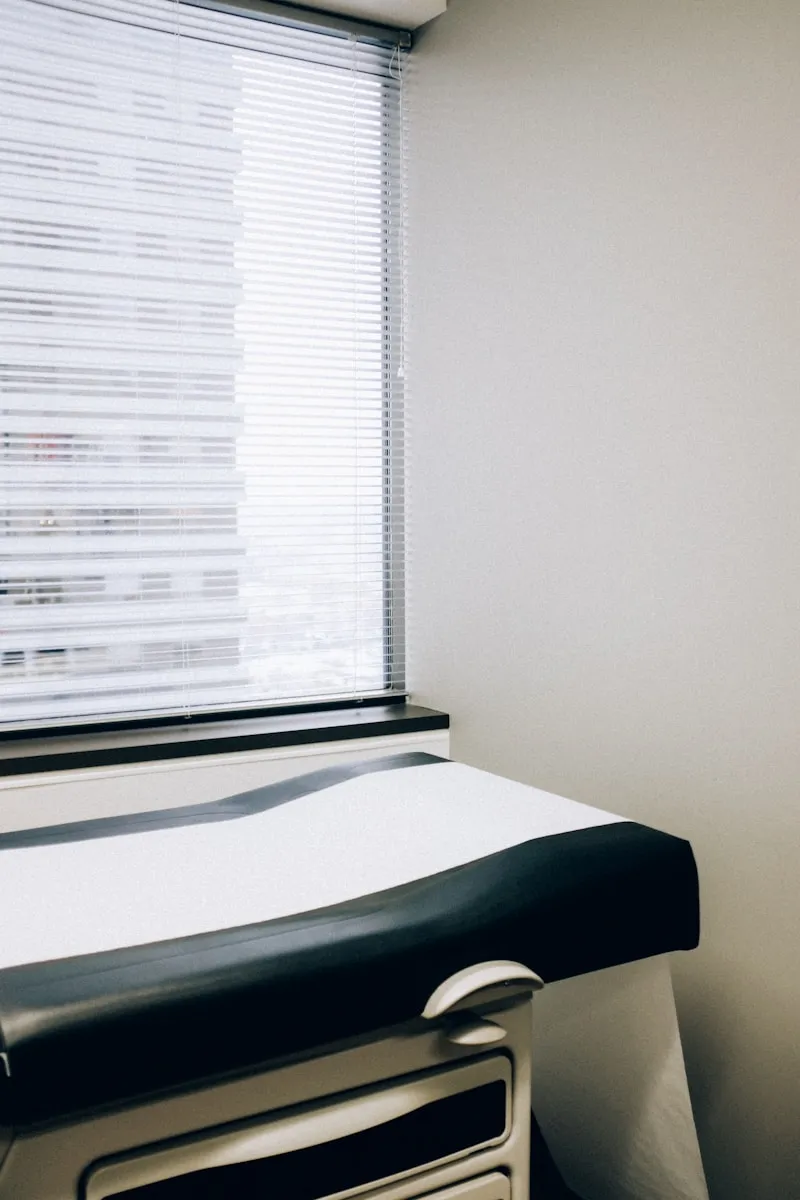
For medical offices in Princeton, the risk we plan around is patient-to-patient transfer via high-touch surfaces between visits. The surfaces that decide the outcome: exam tables, blood pressure cuffs, door hardware, waiting-room touch points.
Facility types we clean under this service:
- Physician Practices
- Urgent Care
- OB/GYN
- Primary Care
Usually arranged with the practice manager.
About Princeton, MA
- Municipal form: Town
- County: Worcester County
- Region: Central Massachusetts
- Population: 3,495 (2020 U.S. Census)
- Land area: 35.4 sq mi
- Water area: 0.4 sq mi
- Density: about 99 residents per sq mi
- ZIP code: 01541
- From our base: about 18 miles northwest of Marlborough (straight line)
- Typical healthcare setting: no significant healthcare infrastructure
We have not verified a medical office inside Princeton itself; the closest verified ones on our routes are in Holden (about 6.8 mi) and Leominster (about 7.1 mi). If your medical office is in Princeton, call (978) 307-8107 and we will confirm scheduling for your address before the assessment.
Local health authority: Princeton Board of Health (official Princeton page). Healthcare facilities are licensed and surveyed by the Massachusetts Department of Public Health; the local board handles environmental-health matters under the State Sanitary Code and local rules.
Sources: U.S. Census Bureau (2020 Census; Gazetteer files), USPS ZIP codes, and our own verification of local facilities. Distances are straight-line.
Citations Princeton medical offices can avoid
Real, published regulatory findings — every citation links to its source.
29 CFR 1910.1030(d)(4)(ii)(D)
Broken contaminated glassware picked up by hand instead of by mechanical means such as a brush and dustpan, tongs or forceps.
CDC Infection Prevention Checklist for Outpatient Settings, Section II item A; CDC Core Practices 5b
Environmental surfaces in exam rooms, especially those near the patient and frequently touched, not cleaned and then disinfected with an EPA-registered disinfectant.
CDC Infection Prevention Checklist for Outpatient Settings, Section I item C
Staff cleaning the practice have not been trained on, or issued, the PPE needed to avoid exposure to infectious agents and to the disinfectant chemicals themselves.
Medical Office Cleaning in Princeton: the working detail
Where contamination concentrates
- Door handles and push plates
- Light switches
- Sink faucet handles and soap dispensers
- Check-in counter and sign-in tablet
- Pens, clipboards and payment terminals
- Waiting-room chair arms
How a visit runs
- Start each visit in the cleanest areas (offices, consult rooms) and finish in restrooms and soiled utility.
- Change cloths between rooms using a color-coded system so restroom cloths never reach exam rooms.
- Empty trash and recycling; leave sharps containers and regulated medical waste to your licensed hauler.
- Damp-mop hard floors and vacuum carpeted waiting areas with HEPA-filtered equipment.
- Record rooms completed, products used and any issues in the service log.
Frequency, area by area
- Exam rooms: patient-contact surfaces between patients (usually clinical staff); full clean daily.
- Waiting room and check-in: high-touch points several times a day in busy clinics, full clean daily.
- Walls, vents and light fixtures: on a periodic schedule or when visibly soiled.
Most medical offices are cleaned after the last patient leaves, so exam rooms are ready for the first morning appointment.
What you keep on file
- Safety Data Sheets for every product on site
- OSHA Bloodborne Pathogens training records for assigned staff
- Certificate of insurance naming the practice
- ATP or fluorescent-marker results when verification is performed
Questions worth asking at the walkthrough
- Who on your team will actually clean our office, and what training records can you show for them?
- How do you keep restroom cloths out of exam rooms?
- What do you leave for our clinical staff, and what do you own?
We answer each of these in writing after the free assessment.
Medical Office Cleaning in Princeton — common questions
Yes. Princeton (Worcester County) is one of the 109 Massachusetts cities and towns we serve. It is about 18 miles northwest of our Marlborough base in a straight line. Every engagement starts with a free on-site assessment; call (978) 307-8107.
All of them: 01541. If your facility sits on a town line, tell us the street address and we will confirm.
We have not verified one inside Princeton. The typical healthcare setting here is no significant healthcare infrastructure. If you operate a medical office in town, we can schedule it on the same route as neighbouring towns.
More likely than most practice managers assume. Between October 2024 and September 2025, federal OSHA cited 29 CFR 1910.1030 thirty-three times across twelve inspections of physicians' offices, out of 55 citations issued to the sector in that period. That makes the Bloodborne Pathogens Standard the most-cited standard for physician practices, and the housekeeping paragraphs at (d)(4) are a routine part of it. Inspections in this sector are usually complaint or referral driven, so the trigger is often an employee rather than a scheduled visit.
Your clinical staff. Between-patient turnover happens in minutes while a room is in active use, and it belongs to the person who was in the room. Our scope is scheduled cleaning and disinfection: terminal cleaning of exam rooms at the end of the session, restrooms, waiting areas, hallways, break rooms, floors, and the high-touch surfaces addressed in Section II item A of the CDC Infection Prevention Checklist for Outpatient Settings. We write the split into the schedule required by 29 CFR 1910.1030(d)(4)(i), so nothing sits in a gap between the two teams.
EPA-registered products, drawn from EPA List N where an emerging viral pathogen claim is needed, and matched to the surface and the soil load. The controlling document is the manufacturer's label: dilution, contact time, shelf life, and storage. Most failures we correct are contact time failures, where the surface is dry well before the label kill time. Our crews clean first, then disinfect, and keep the surface visibly wet for the labeled dwell. Product labels and SDS sheets stay on site in your binder so you can check them without calling us.
Neighbouring towns we serve
Free medical office cleaning assessment in Princeton
22+ years clinical experience. $2M insured. No obligation.